

Collection: Back Injury Supports
What Are Back Injury Supports?
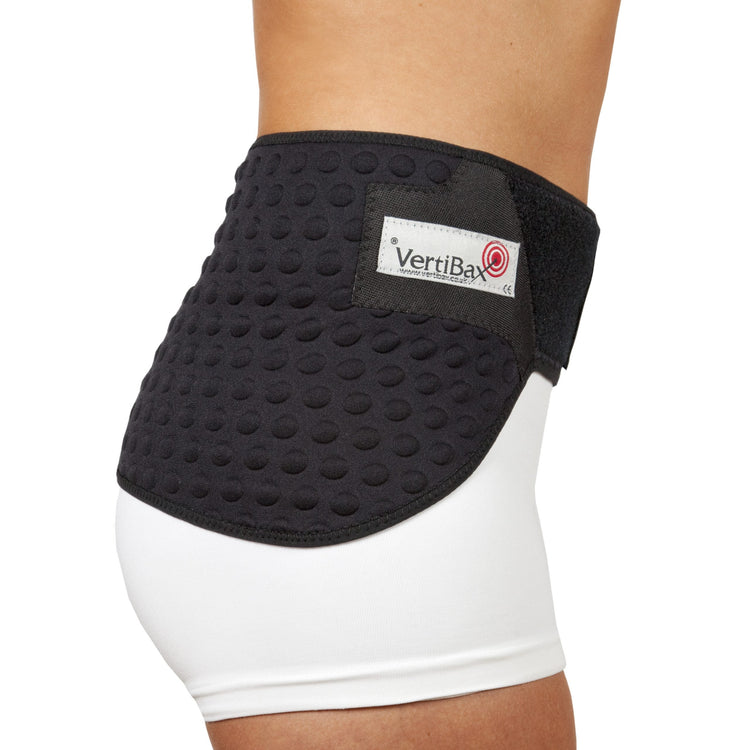
Back injury supports, also known as lumbar supports, back braces or support belts, are specially designed devices that help stabilise the spine and reduce strain on the lower back. VertiBaX back injury supports wrap securely around the lower back and core, using a uniquely shaped fabric which adjusts compression throughout movement. By providing targeted support to the core lumbar region, VertiBaX Back Injury Supports help create a more controlled environment for healing, making them a popular choice for people recovering from muscle strains, disc issues, or general lower‑back discomfort.
How Back Injury Supports Help Manage Lower Back Pain:
A high quality back injury support can play a valuable role in managing lower back pain. One of the key benefits is improved spinal alignment. By encouraging a more neutral posture, a core lumbar support reduces the load placed on the lumbar spine and surrounding muscles. This can ease tension, reduce inflammation, and help prevent movements that aggravate existing injuries. The compression provided by back injury supports also increases proprioception, your awareness of how your body is positioned, making you less likely to twist, bend, or lift in ways that trigger pain.
Why Back Injury Supports Are Useful for Everyday Life:
For many people, back injury supports offer more than just physical relief; they also provide confidence. Wearing a support during daily activities, work, or exercise can make movements feel safer and more controlled. This reassurance is especially helpful for those recovering from injury or managing chronic lower back pain. While a back injury support isn’t a standalone cure, it can be an effective part of a broader pain management plan that includes movement, strengthening, and professional guidance.
VertiBaX® Core Lumbar Back Injury Supports, have revolutionising the management of lower back pain caused by back injuries. VertiBaX Limited is registered with the Medicines and Healthcare product Regulatory Agency (MHRA), as manufacturers of Class 1 orthopaedic supports and postural aids.


-
VertiBaX Core Lumbar All Day Sensory Back Belt VB119 - All day lower back pain relief (UK MANUFACTURED)
Regular price £31.95 GBPRegular priceUnit price per -
VertiBaX Core Lumbar Active Back Support VB120 - Flexible support and lower back pain relief (UK MANUFACTURED)
Regular price £29.98 GBPRegular priceUnit price per -
VertiBaX Core Lumbar Heavy Task Back Support VB121 - Strong, variable rigidity lower back pain relief support (UK MANUFACTURED)
Regular price £35.99 GBPRegular priceUnit price per -
VertiBaX Child Sensory Back Support Belt VB104 (UK MANUFACTURED)
Regular price £22.49 GBPRegular priceUnit price per


Frequently asked questions
How long should I wear a support belt each day?
Most people wear supports during activities that trigger pain such as lifting, walking, working or sitting for long periods. Heavier weight back supports are not designed for permanent use. Wearing the belt for activity based periods, supports the back without weakening the muscles. However, VertiBaX have developed a lightweight sensory belt which is worn for extended periods, all day every day as required, helping with persistent lower back pain relief.
Can neck braces help with stiffness or whiplash?
A neck support can reduce movement, ease muscle tension and help you maintain a neutral head position. They can be useful for short-term relief from stiffness, sprains or mild whiplash, but they should not be worn for long periods without guidance from a healthcare professional.
How tight should a back support belt be?
It should feel snug and supportive but never restrict breathing or cause discomfort. You should be able to move, sit and stand naturally. If the belt leaves deep marks or feels overly tight, loosen the adjustment straps slightly.
How do I choose the right back support for lower back pain?
Most people benefit from a belt that provides gentle compression and warmth across the lumbar area. If your pain worsens during movement, choose a support that stabilises the spine and limits excessive motion. If your discomfort is more muscular, a flexible belt that warms the core and improves posture is usually most effective.
Can a support belt help with sciatica pain?
A properly fitted belt can help reduce pressure on the lower spine, which may ease sciatic nerve irritation. It won’t cure sciatica, but it can help stabilise the pelvis, reduce painful flare-ups during movement, and provide short-term relief while you manage symptoms with exercise or treatment.
When should I use a heavy-lifting back support?
Use a lifting support when performing tasks that place extra strain on your lower back such as moving furniture, repetitive warehouse lifting or manual labour. It helps keep your posture aligned, reduces the risk of sudden strain and offers core stability when your muscles fatigue.
Are child back supports safe for everyday use?
Child back supports are designed to be lightweight and flexible. They are suitable for posture training, mild lower-back discomfort and general support during activity. Children should only wear a support for short, guided periods and it should be properly fitted by an adult.